
Author: Ashish Prajapati | Digital Marketing Expert
Search Engine Optimization (SEO) has changed more in the last few years than ever before. What worked earlier no longer guarantees results today. In 2026, SEO is smarter, more user-focused, and deeply driven by Artificial Intelligence.
Google no longer ranks websites just because they have keywords. It now looks at content quality, user intent, trust, expertise, and meaning behind searches.
Let’s break it down step by step.
SEO in 2026 is all about helping users, not tricking search engines.
Modern SEO focuses on:
Google’s algorithms are now advanced enough to understand what users actually want, not just what they type.
Google Core Updates are major changes in Google’s ranking algorithm. These updates improve how Google evaluates:
They do not target a specific website. Instead, they improve the overall search experience.
In 2026, Google releases updates that focus heavily on:
Websites that rely on low-quality or copied content see ranking drops, while helpful websites gain visibility.
A blog ranks using keyword stuffing and thin content.
The blog loses ranking because:
Meanwhile, a detailed, well-structured blog gains rankings.
Write content that truly answers user questions.
Ask yourself:
Google prefers fresh and updated information.
Tips:
User behavior matters.
Focus on:
E-A-T stands for:
Show deep knowledge, real experience, and practical insights.
Build authority through backlinks, mentions, and consistent publishing.
Use HTTPS, show contact details, author bio, and avoid misleading content.
Google uses E-A-T to decide whether your content deserves to rank.
Google wants content written by people who understand the topic deeply.
A SEO guide written by a digital marketer performs better than a generic article with no insights.
Authority means others trust and recognize you.
Authority grows over time, not overnight.
Trust is the backbone of SEO in 2026.
Google wants users to feel safe and confident on your website.
Semantic search means Google understands the meaning behind the search, not just the words.
Keyword: “best laptop”
Google understands:
So Google shows results based on intent, not just keywords.
Users search in natural language:
Google now connects related concepts and delivers more accurate results.
Understand why the user is searching.
Intent types:
Create content that matches intent.
Do not repeat the same keyword again and again.
Instead, include:
This helps Google understand the topic better.
One main topic + multiple supporting articles.
Example:
This improves topical authority.
SEO is no longer isolated. It connects with content, branding, UX, and analytics.
A successful SEO plan aligns with your Digital Marketing Strategy in 2026, ensuring consistency across channels and long-term growth.
Use:
Clear answers improve featured snippet chances.
Many searches happen via voice and mobile devices. Users expect fast, clear, and relevant answers.
Focus on the following:
Structured data helps Google understand your content better and improves search visibility.
Use the following schema types:
SEO success depends on continuous monitoring and improvement based on real performance data.
Track these metrics regularly:
Use insights from analytics to improve content quality and user experience.
Avoiding these mistakes is as important as following SEO best practices.
A service-based website optimized its SEO by taking the following steps:
Result:
SEO success comes from consistency, not shortcuts.
SEO in 2026 is smarter, deeper, and more human-focused than ever. Google Core Updates reward helpful content, E-A-T builds trust and authority, and semantic search understands meaning instead of just keywords.
If you focus on the following areas:
You will not only survive future updates—you will grow with them.
SEO is no longer about ranking fast. It’s about ranking right.
⬅ Back to Blog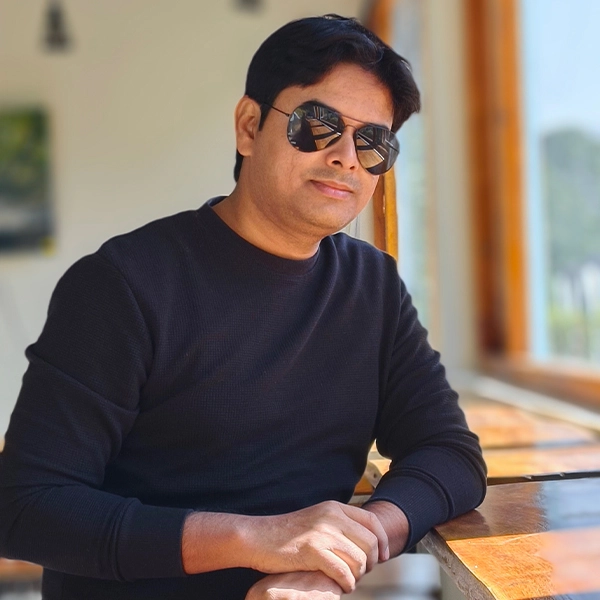
Ashish Prajapati is a Global Digital Marketing Expert with 15+ years of experience in SEO, PPC, SMO, and performance marketing. He helps businesses grow with future-ready digital strategies.